What the FIFA World Cup 2026 Can Teach Us About Empathy, Leadership, and Resilience
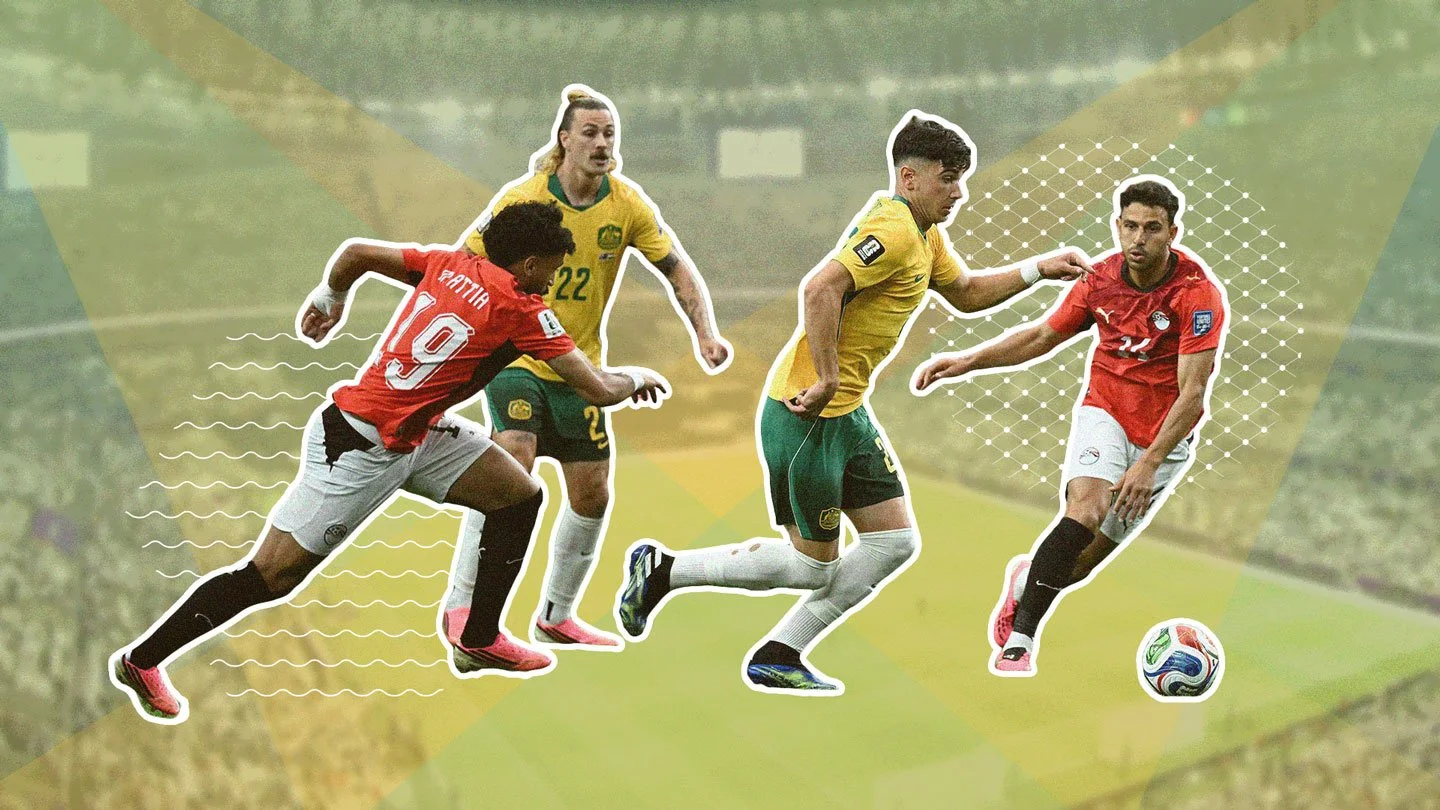
Right now, 48 nations are competing on the biggest football stage in history. Across 16 cities in the United States, Canada, and Mexico, the 2026 FIFA World Cup is delivering drama, upsets, and moments that will be talked about for decades.
But if you look beyond the goals and the glory, we find human stories. Human traits. Human Skills.
Why? Because what separates the teams that capture the world's imagination from the ones that fall short is rarely technical skill alone. It is the human stuff. How they respond to setbacks. How they lead when the pressure is unbearable. How they hold each other together when everything is on the line.
Sound familiar?
Here is what the 2026 World Cup is teaching us about the skills that matter most, on the pitch and off it.
Resilience isn’t about avoiding failure - it’s about what you do next.
Cape Verde arrived at this World Cup as first-time participants, a nation of just over half a million people competing against the world's football powerhouses. In their opening match against European champions Spain, goalkeeper Vozinha (who doesn’t have a professional club and makes ends meet as an electrician and bus driver), at 40 years old, repelled 27 shots to hold them to a 0-0 draw - capturing the world’s hearts and minds. In the round of 32, they came from behind on multiple occasions against world champions Argentina, drawing level twice before ultimately losing 3-2 in extra time.
When the final whistle blew, their players did not walk off defeated. They were applauded off the pitch by Argentina's fans. Their manager Bubista, who has never coached professionally outside his home country, told reporters: "We showed that we may be a small country but we can play against the best teams in the world. That is a reason for pride."
What Cape Verde modelled was not resilience as toughness. It was resilience as belief. The ability to absorb a blow, reset, and keep going with your values intact. That is a skill. And it is one of the most transferable capabilities a person can develop, whether they are navigating a World Cup or navigating a difficult week at work.
Leadership is not a title. It is a behaviour.
Alphonso Davies, captain of the Canadian national team, was born in a refugee camp in Ghana to Liberian parents who had fled civil war. His family was resettled in Canada by the UN when he was five years old. Today he is one of the best footballers in the world and the first footballer to be appointed a UNHCR Global Goodwill Ambassador.
Davies doesn’t lead with authority, he leads with his story, his values, and his presence. He earns trust not through status but through character.
The British Psychological Society noted in a study of elite football environments that coaches who create conditions where athletes feel valued, connected, and psychologically safe produce significantly better performance outcomes. The same principle holds true in every team and every organisation. People do not perform at their best for a manager who demands results. They perform at their best for a leader who sees them, respects them and supports them.
Empathy is a competitive advantage.
It is tempting to think empathy is something you bring to a difficult conversation or a performance review. What this World Cup is showing is that empathy is woven into how the best teams function, not as a ‘soft’ add-on but as a structural part of how they operate.
Consider Carlo Ancelotti managing Brazil, described by ESPN as navigating a squad with "tons of egos, media pressure and expectations from a passionate, demanding fanbase." Brazil have consistently performed in this tournament. Ancelotti's reputation isn’t built on tactical genius alone but on his ability to read people, manage relationships, and create an environment where individuals stay accountable to the collective.
Research published in sports psychology confirms that captains and coaches who communicate with empathy and clarity boost team morale and build trust, with measurable impact on performance. That’s not a finding exclusive to football, it’s one that can be found across industries and sectors - across the globe.
Psychological safety is what makes a team accomplish goals (pun intended).
Paraguay eliminated four-time World Cup champions Germany on penalties in the round of 32. Germany, by any technical measure, was not anticipated to lose to Paraguay. But penalty shootouts go beyond technical ability. They measure composure, self-belief, and collective trust under maximum pressure.
The British Psychological Society has noted that psychological safety, the ability to hold focus and composure to the end of a match or tournament, is a learned experience, not an innate one. It develops through deliberate coaching, repeated practice, and teams that have built trust that doesn’t crumple under pressure.
This process looks identical in the workplace. Teams that outperform under pressure are not simply ‘better.’ They are better connected. They know each other's strengths. They trust the person next to them to hold their nerve. That is not chemistry. It is culture, and culture is built intentionally.
The lesson for leaders, organisations and business owners.
The 2026 World Cup is a masterclass in what happens when human skills are taken seriously at every level, not just at the top or in crisis moments, but as a deliberate, consistent investment in how people grow, lead, and show up for each other.
Cape Verde's goalkeeper did not wake up at 40 with unshakeable composure. Morocco didn’t build their collective resilience overnight. Alphonso Davies did not develop his leadership presence by accident.
The question for any leader reading this is not whether these skills matter in your organisation - you know as well as we do that they matter; and the World Cup is answering that every day. The question is: what are you doing to develop them in yourself and your teams?
If you are ready to find out, explore what Maxme's programs can do for your team.
More human goodness you might like: