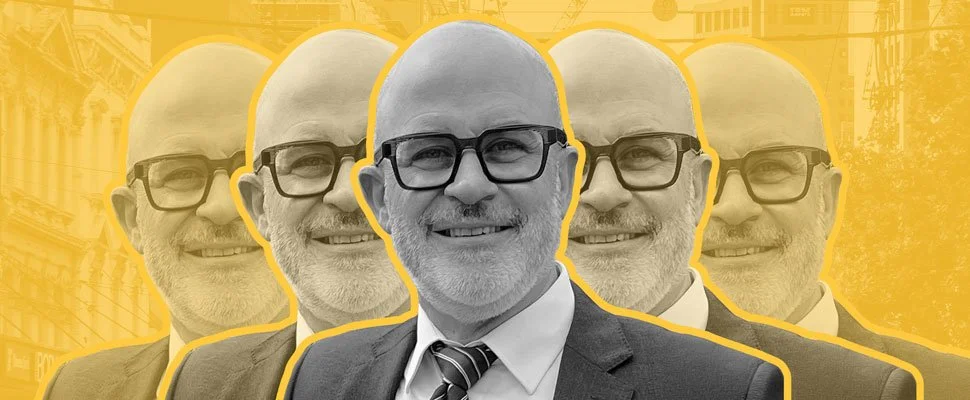
Human on the Inside with MCRI’s Dino Asproloupos
Human on the Inside. We’re big believers in the power of human skills. But don’t just take our word for it - the evidence for excellence powered by human (‘soft’) skills is everywhere! In this engaging, ever-enlightening series, we speak with industry leaders, innovators and game-changers to learn a little about their personal career journeys, and how human-led strategies, philosophies and cultures are proving a force for good in their working worlds …
Maxme: Welcome Dino, and thanks for stepping into the #SuccessIsHuman Spotlight! You’re the Government Relations Manager at the Murdoch Childrens Research Institute..
In 1 sentence (ok, we’ll give you 3), what does your role entail?
Dino Asproloupos: It’s not your typical public affairs role. Working with MCRI’s Director and Executive, I build and manage relationships with government decision‑makers to influence policy, secure funding, and ensure the Institute’s research priorities are understood and supported by state and federal governments. Given we have almost 2,000 researchers across all areas of child and adolescent health, I try to get as many of our incredible scientists and clinicians to meet with governments so that children’s health policies and services are informed by evidence - locally, nationally and internationally.
M: Dino, your career reflects a deep commitment to improving public health through strong partnerships and systems thinking. From your early work with Médecins Sans Frontières and the Burnet Institute across Europe and Asia, to senior roles at Deakin University and the Murdoch Children’s Research Institute, you’ve led complex, multi-stakeholder collaborations that bridge research, government and community. Now focused on government relations, you continue to bring a global perspective and a steady focus on impact for children and families.
How does all this work speak to your personal purpose and what drives you as an individual?
DA: The phrase “without borders” has shaped my world view. I was born in Zambia to migrant parents from Greece, educated in Canada and immigrated to Australia. Although I am neither a medical professional nor a researcher, I have been drawn to using my transferrable skills to make a difference in health and to address inequities - especially in maternal and child health.
M: Tell us a little about your personal education pathway/s - what led you to where you are now? How closely do your formal qualifications match your current career?
DA: I attained a Bachelor of Arts, Leisure Services, with a view to pursuing a professional career in coaching and sports administration. After owning and running a busy Greek restaurant with my parents, and working with the women’s national volleyball team in Canada, I returned to complete an International MBA, specialising in international strategy and governance. It was during my MBA that I was introduced to humanitarian affairs, global health and MSF. I was able to transfer my skills to a sector that was shaped by passionate, intelligent and committed aid workers. I supplemented my learning by surrounding myself with brilliant minds - people leading aid and development programs ranging from humanitarian disaster relief, children’s health to infectious and non-communicable diseases. I completed an Executive Global Health Diplomacy Program at the Geneva Institute, which out of my formal qualifications is most-aligned to my current career.
M: If you could share one piece of career advice to your 21 year old self it would be ...
DA: Ignore job titles! Ask yourself what work you enjoy doing, what people you want to be surrounded by, and what impact you want to make in the world.
M: Maximising the potential of individuals, communities and businesses through the power of human skills is the reason Maxme exists. Can you tell us a little about the role and / or value of human skills in your workplace or industry right now?
DA: Government relations for children’s health and medical research is largely built on establishing and nurturing trusting relationships. Authenticity is critical. You can’t build trust or authenticity without human “soft” skills.
M: Self Awareness sets the critical foundation for all Maxme learning experiences. What’s your strongest trait / personal super power?
DA: There are two skills that I rely on continually - the ability to accept ambiguity, and a knack for helping to connect dots (people, organisations and ideas).
M: And on the flip side, what’s one human / ‘soft’ skill you’ve had to really work on improving over the course of your career?
DA: Diplomacy. Learning to communicate and negotiate with tact and empathy — balancing diverse (and often competing) interests, managing sensitive situations, and building trust to reach constructive outcomes.
M: If you could share one piece of career advice with recent Uni graduates or candidates keen to work for an organisation like yours, what would it be?
DA: I’m surrounded by people who prioritise improving lives for children and families above all else - from paediatricians, scientists and nurses. Investigate what it is that you REALLY care about.
M: You’ve been granted approval to add one Uni graduate to your business, but have 100 applicants, all with outstanding academic results. How do you find your perfect candidate - what are you looking for?
DA: There is no perfect candidate. I look for people who take initiative, are trustworthy, humble and those who have something to teach me. And they must have a great sense of humour.
M: In the words of American philosopher, psychologist, and educational reformer John Dewey, “education is not preparation for life, education is life itself.”
What’s next on your #learning agenda?
DA: Supporting researchers in areas such as stem cell medicine, genomics, immunology, public health and clinical sciences, I am making a concerted effort to meet young researchers to learn about new and emerging areas within and across children’s health - so that I better understand where the future of child health is heading. At a macro level, I’m always striving to learn how to better manage my time, prioritise competing interests and to manage the volume and speed at which work occurs in the age of AI.
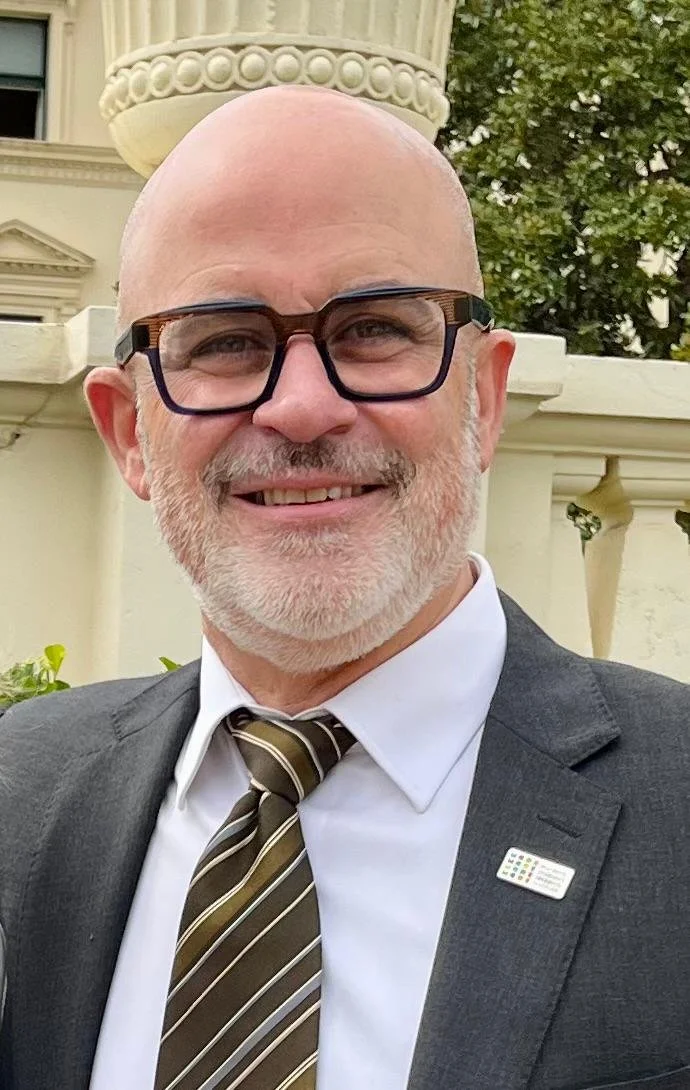
Dino Asproloupos
Government Relations Manager at the Murdoch Children’s Research Institute
A Canadian living down under and managing health research partnerships and programs across academia, government, NGOs and clinical settings. Interested in governance of non-profits, humanitarian affairs and public health. Volleyball coach and passionate recreational tennis and volleyball player.
Ready to develop the human skills within your organisation, team or self? Explore our menu of Maxme Products & Programs or simply download the Hodie app to get started today.
Prefer to talk through your options? Simply contact us at any time.
More human goodness you might like: